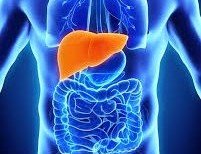
Detoxification Treatment
Detoxification treatment, commonly referred to as "detox," is the process of clearing toxins (specifically drugs or alcohol) from the body, typically under medical supervision. Detox is often the first step in treating substance use disorders and is crucial for managing withdrawal symptoms and preparing individuals for further treatment.
Key Aspects of Detoxification Treatment:
Purpose:
- Physical Stabilization: Detox aims to safely manage acute withdrawal symptoms and achieve physical stability.
- Preparation for Further Treatment: It is the precursor to long-term treatment, such as rehabilitation or therapy, which addresses the psychological aspects of addiction.
Types of Detox:
- Medically Assisted Detox: Involves the use of medications to alleviate withdrawal symptoms and reduce cravings. This is often necessary for substances like alcohol, opioids, benzodiazepines, and barbiturates.
- Social or Non-Medical Detox: This type of detox occurs without medication, relying on a supportive environment to help the individual through withdrawal. It's typically suitable for those with less severe addictions.
Common Withdrawal Symptoms:
- Physical Symptoms: Nausea, vomiting, sweating, tremors, headaches, and seizures.
- Psychological Symptoms: Anxiety, depression, irritability, insomnia, and intense cravings.
Medications Used in Detox:
- Opioid Withdrawal: Methadone, buprenorphine, or clonidine can be used to manage withdrawal symptoms.
- Alcohol Withdrawal: Benzodiazepines (e.g., diazepam, lorazepam) are commonly used to prevent seizures and ease symptoms.
- Benzodiazepine Withdrawal: Gradual tapering of the drug or the use of longer-acting benzodiazepines.
- Stimulant Withdrawal: Medications like antidepressants or antipsychotics may be used to manage mood disturbances or psychosis.
Detox Settings:
- Inpatient Detox: Occurs in a hospital or specialized facility where patients receive 24-hour medical supervision. This setting is recommended for individuals with severe addictions, co-occurring mental health disorders, or those at risk of severe withdrawal symptoms.
- Outpatient Detox: Patients visit a treatment center for scheduled sessions but do not stay overnight. This setting is suitable for those with less severe withdrawal symptoms and a strong support system at home.
